How to Choose Between PP Fume Hood and Stainless Steel Fume Hood
News 2026-06-14
Preview:
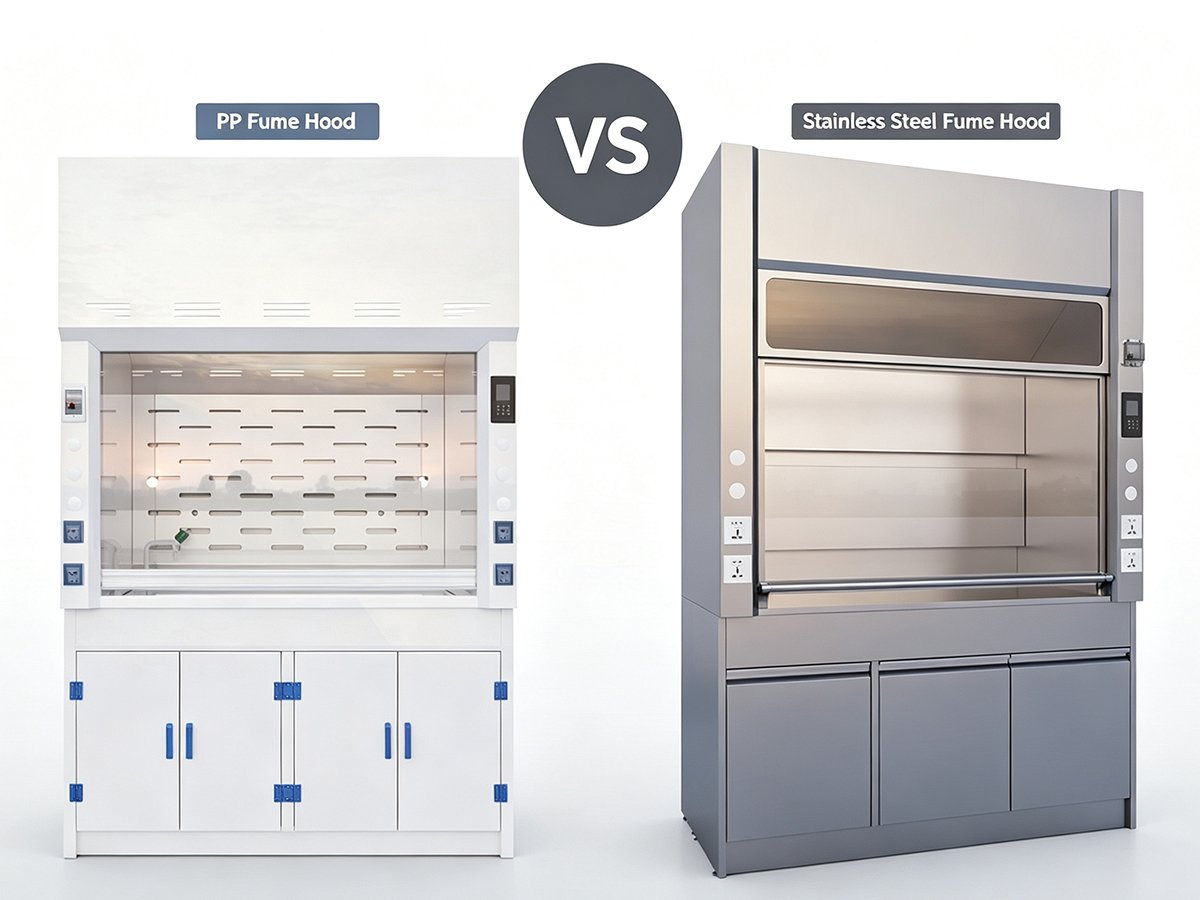
PP fume hood vs stainless steel fume hood
Many lab managers and procurement staff feel confused when selecting exhaust equipment for wet chemistry labs. A common question is whether to pick a [PP fume hood] or a [stainless steel fume hood]. A fume hood serves as the core safety barrier to protect operators from acid vapors, organic mist and toxic fumes. An unsuitable model will wear out quickly and create safety hazards for lab workers. Neither option is universally superior. Your final decision should depend on reagent types, operating temperature, budget and long-term maintenance arrangements.
Polypropylene fume hood is famous for excellent resistance to strong acid and alkali. It performs reliably when handling hydrochloric acid, sulfuric acid and sodium hydroxide at room temperature. The integrated seamless inner chamber is easy to wipe and clean after liquid spills. However, PP material has clear limits on heat resistance. It is not a good choice if your experiments often involve high-temperature digestion or heating plates, because heat will soften and deform the liner. It fits environmental testing labs, water quality labs and regular chemistry teaching labs with normal-temperature corrosive operations.
304 or 316 stainless steel fume hood delivers high mechanical strength and good heat resistance. 316 grade offers better anti-corrosion capacity than regular 304 steel. It is widely adopted in pharmaceutical, microbiology and clean laboratories with heating procedures. Still, stainless steel cannot stand long-term contact with hydrofluoric acid and high-concentration chloride solutions. The passive oxide layer will break down gradually and lead to rust spots. Stainless steel models also usually come with a higher price tag.
Maintenance difference is another factor to weigh. Deep scratches on integrated PP liners are difficult to repair. Light rust marks on stainless steel surfaces can be polished and re-passivated. For cost control, standard PP fume hood is more economical for room-temperature corrosive work. Stainless steel versions are preferred when heat resistance and sterile conditions are required.
Before ordering ventilation equipment, sort out your full reagent list and record the maximum working temperature. If most work involves acid and alkali reactions without heating, polypropylene is recommended. If your lab runs organic synthesis or high-temperature digestion, stainless steel will be more appropriate. Share your lab conditions with our team, and we can guide you on hood selection, duct layout and exhaust fan matching.
Full article:
When purchasing laboratory fume hoods, many overseas customers are confused about choosing PP or stainless steel models.
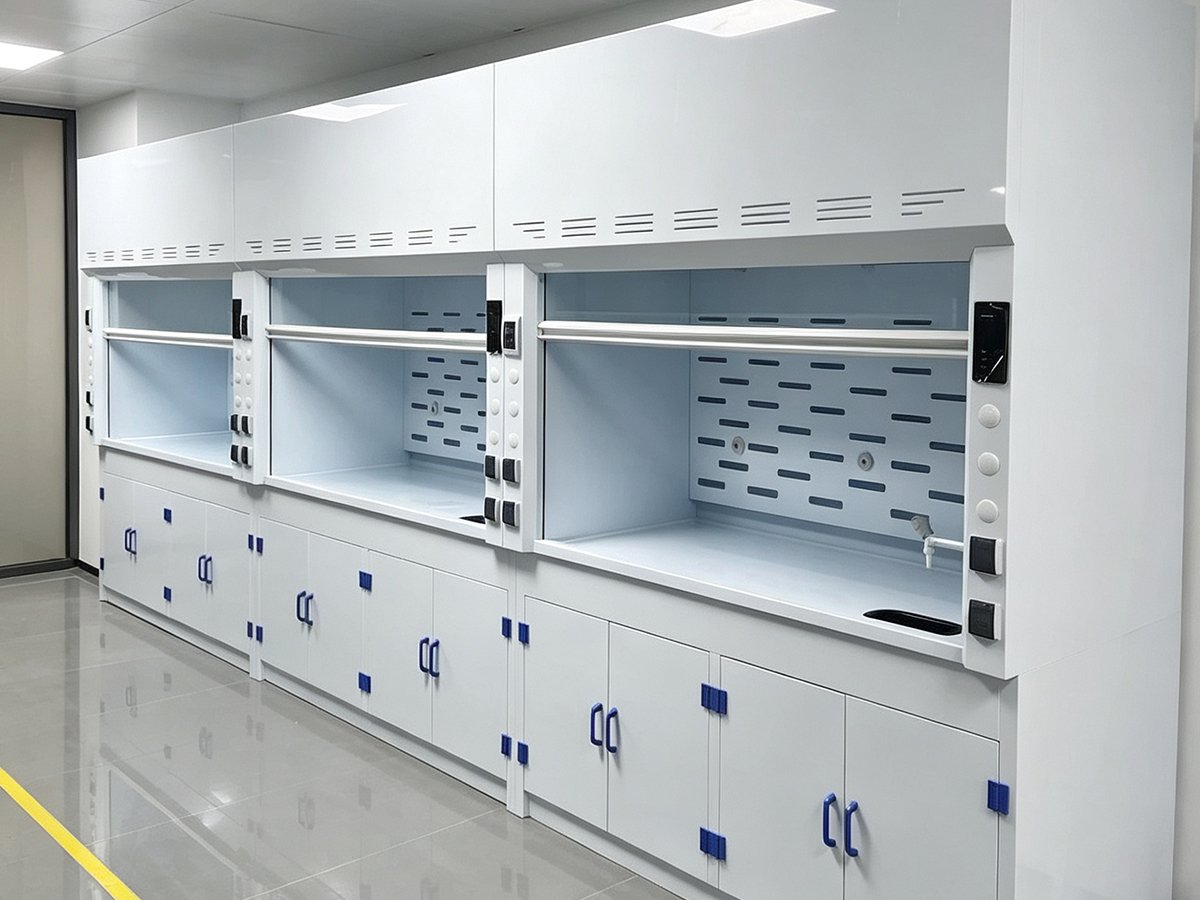
✅ PP Fume Hood: Outstanding acid & alkali resistance, ideal for heavy metal digestion, wet chemistry labs with strong corrosive reagents, widely used in environmental and water quality testing labs.
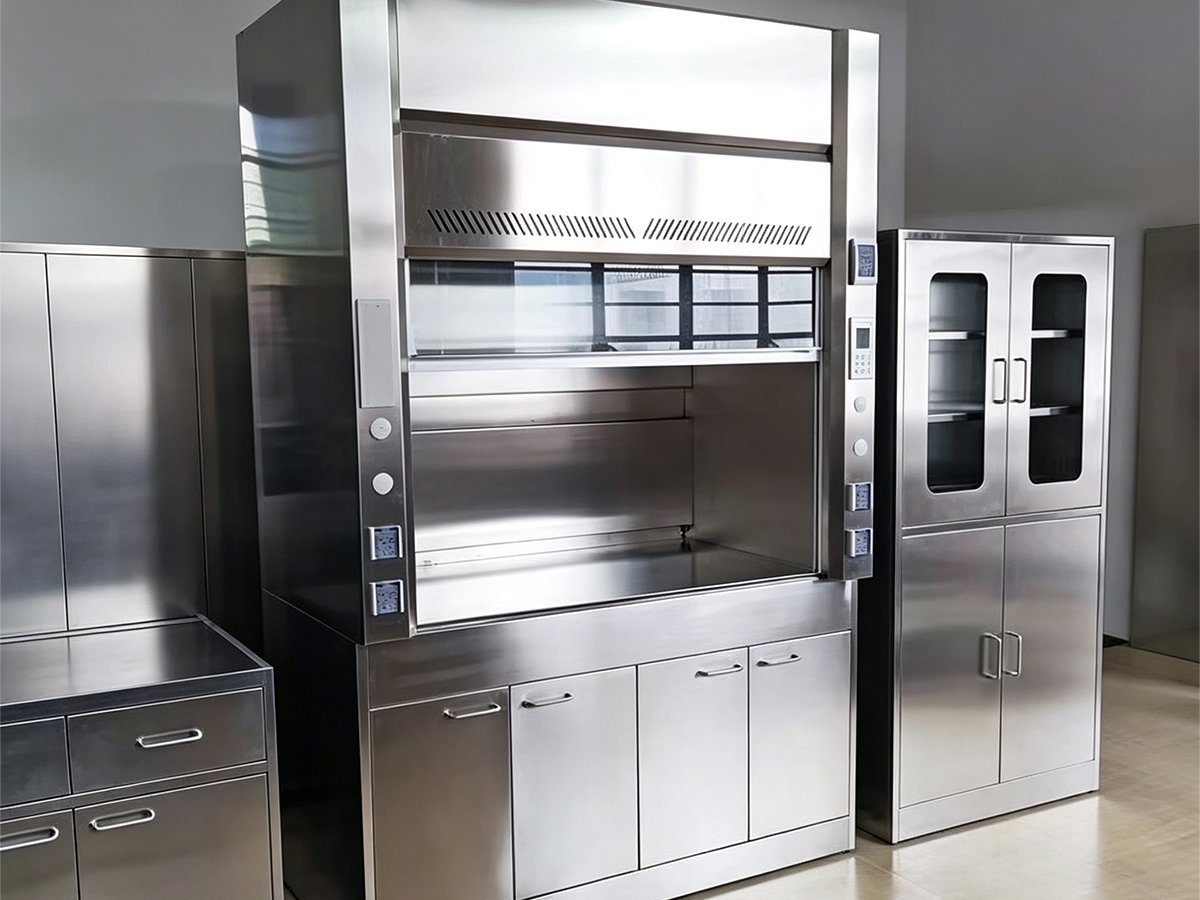
✅ Stainless Steel Fume Hood: Sturdy structure, easy sanitization, suitable for hospital clinical labs, biological labs and high temperature experiment scenarios.
JOLIET LAB supplies custom fume hoods and full lab furniture, tailored to different experiment risks and local climate.